

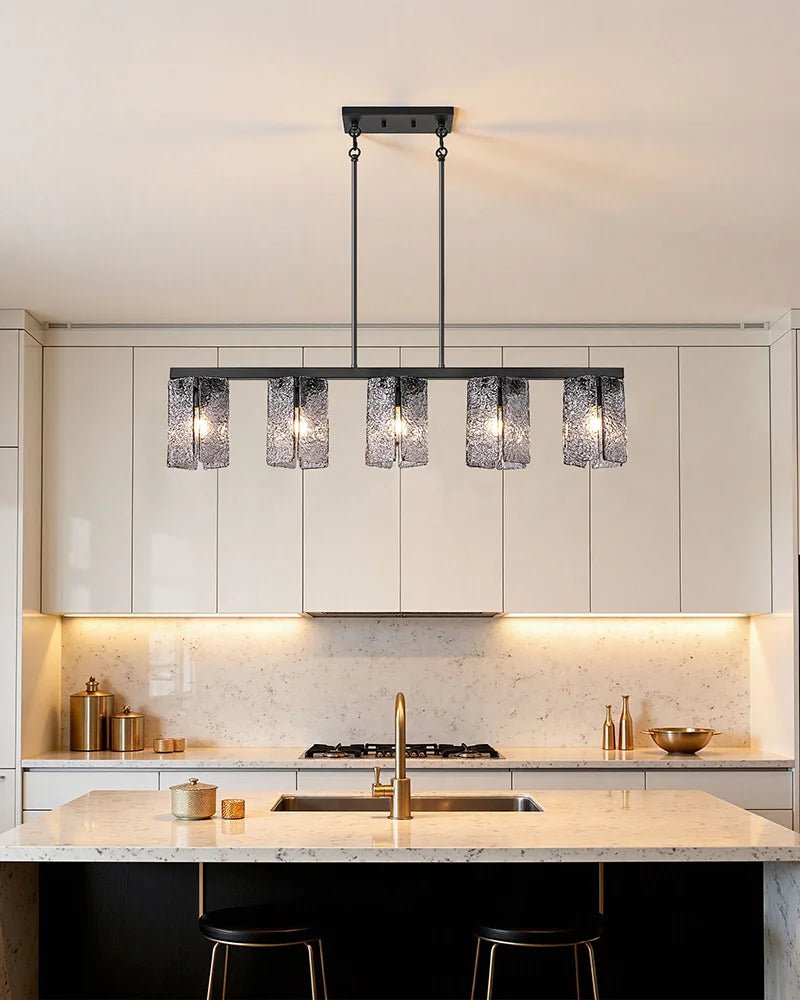
Chandeliers are often seen as symbols of elegance and luxury, hanging gracefully in dining rooms, entryways, and grand halls. But have you ever wondered:
When were chandeliers invented, and ow did they become such an essential part of interior design?
The history of chandeliers dates back centuries, evolving from simple wooden structures to the sophisticated lighting fixtures we use today. In this guide, we’ll explore their origins, development, and how they transformed into a modern home essential.
The Earliest Chandeliers: Medieval Beginnings

Chandeliers were first invented during the medieval period, around the 14th century.
Early chandeliers were very different from today’s designs. They were typically:
● Made of wood or iron
● Designed with cross-shaped frames
● Used to hold candles instead of bulbs
These early fixtures were commonly found in:
● Churches
● Monasteries
● Castles
Their primary purpose was functional—providing light in large, dark spaces.
Chandeliers in the Renaissance: A Symbol of Wealth

During the Renaissance period (15th–16th centuries), chandeliers began to evolve both in design and meaning.
Key changes included:
● Introduction of metalwork and decorative elements
● Use of multiple arms for more candles
● Increased attention to symmetry and craftsmanship
At this stage, chandeliers became more than just lighting—they became a symbol of wealth and status, often seen in the homes of nobles and aristocrats.
The Rise of Crystal Chandeliers

By the 17th and 18th centuries, chandeliers reached a new level of sophistication with the introduction of crystal designs.
This era saw:
● The development of glass and crystal cutting techniques
● Chandeliers that could reflect and amplify candlelight
● The emergence of famous styles from regions like Bohemia and France
Crystal chandeliers became iconic, known for their sparkle and ability to enhance ambient lighting.
The Impact of Electricity

The biggest transformation in chandelier history came in the late 19th and early 20th centuries with the invention of electricity.
This innovation brought major advantages:
● Replacing candles with electric bulbs
● Improved safety and convenience
● Greater flexibility in design
Chandeliers were no longer limited by candle placement, allowing for more creative and modern styles.
Modern Chandeliers: Style Meets Function

Today, chandeliers come in a wide range of designs to suit different interiors, from traditional to contemporary.
Modern chandeliers offer:
● Energy-efficient LED lighting
● Adjustable brightness and color temperature
● Sleek materials like glass, metal, and fabric
They are commonly used in:
● Dining rooms
● Living rooms
● Bedrooms
● Entryways
No longer reserved for castles or palaces, chandeliers are now accessible and versatile for everyday homes.
Why Chandeliers Are Still Popular Today

Despite their long history, chandeliers remain one of the most popular lighting choices.
Reasons include:
● They act as a focal point in any room
● They combine function and decoration
● They enhance the overall atmosphere and style
A well-chosen chandelier can completely transform a space.
Final Thoughts
From simple candle holders in medieval churches to stunning modern lighting fixtures, chandeliers have undergone a remarkable transformation.
Understanding when chandeliers were invented gives us a deeper appreciation of how lighting design has evolved over time.
Today, chandeliers continue to blend tradition with innovation—bringing both light and elegance into homes around the world.
Frequently Asked Questions About Chandelier
When Were Chandeliers First Invented?
Chandeliers were first developed in the medieval period, around the 14th century, primarily using wood or iron and candles.
What Were Early Chandeliers Made Of?
Early chandeliers were made from wood or iron and used candles as their light source.
When Did Chandeliers Become Electric?
Chandeliers became electric in the late 19th century, following the widespread adoption of electricity.


